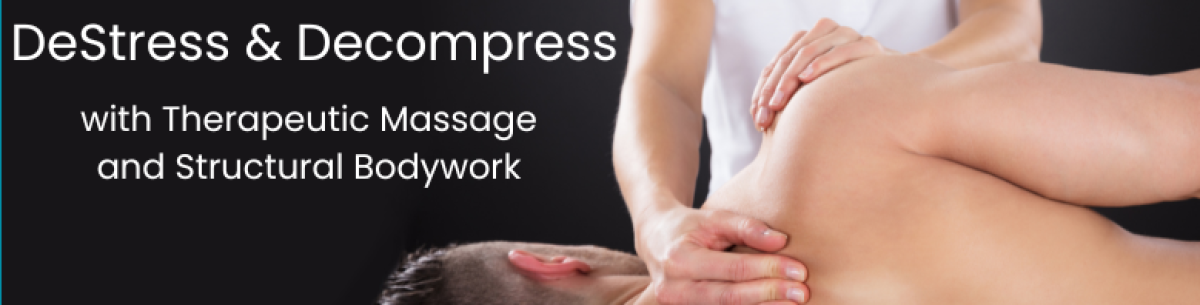
Structural Integration (SI) is a manual and movement therapy system that aims to improve the body’s biomechanical functioning as a whole. It was developed by biochemist Ida Pauline Rolf in the mid-20th century and has since morphed into many different ‘schools’ and approaches. SI techniques can treat chronic musculoskeletal pain and dysfunction.
SI works to reorganize the body’s connective tissues, called fascia, which surround, support, and penetrate all of the muscles, bones, nerves, and organs. This process can release tension, improve alignment, and assist in balancing the body’s physical form, making it easier to move. SI can also help the body relieve itself from gravitational forces and begin to heal.
SI sessions typically begin with an interview about the patient’s history and habits, and the practitioner will observe the client standing and walking to assess their current structural patterns. Each session in the series has a focus; however, sessions are adapted to how the patient is feeling that day as well.
SI in practice usually consists of a series of ten to twelve 85-115 minute Sessions. Structural Bodywork may consist of a shorter series which can act as an introduction to SI or simply a single session.
I am currently offering an introductory rate (25% off the regular rate) on a 4 session structural bodywork series. Must be purchased by September 15th and start the series by September 30th. Contact me for more information and to schedule/purchase.
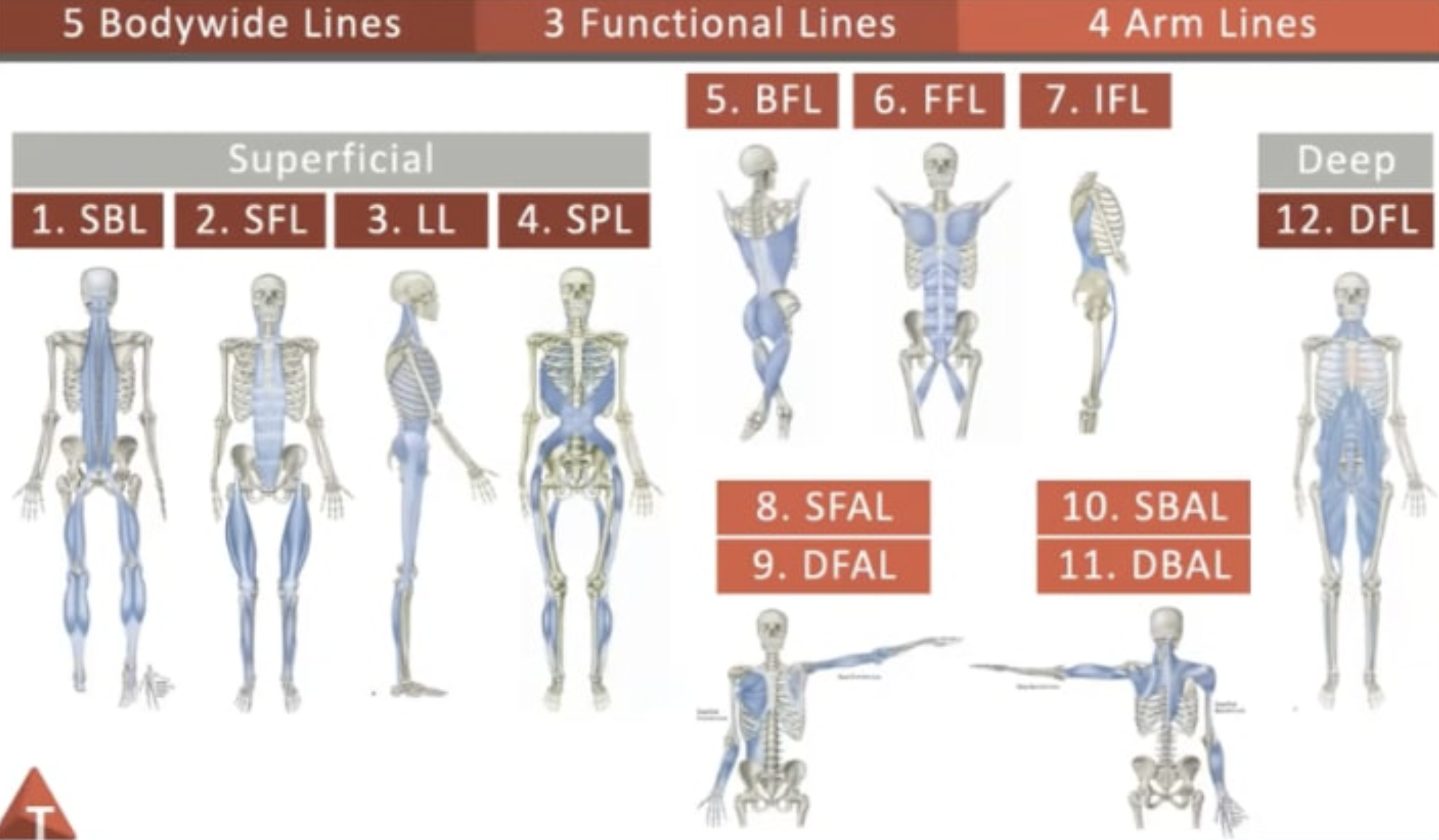
Arlene Haessler completed certification in Anatomy Trains Structural Integration in June 2012. You can learn more about Anatomy Trains here: https://www.anatomytrains.com/blog/2021/12/10/about-anatomy-trains-structural-integration-atsi-sessions/
Resources:
Hansen, A. B., Price, K. S., Loi, E. C., Buysse, C. A., Jaramillo, T. M., Pico, E. L., & Feldman, H. M. (2014). Gait changes following myofascial structural integration (Rolfing) observed in 2 children with cerebral palsy. Journal of evidence-based complementary & alternative medicine, 19(4), 297–300. https://doi.org/10.1177/2156587214540466 https://pubmed.ncbi.nlm.nih.gov/24989994/
Jacobson E. (2011). Structural integration, an alternative method of manual therapy and sensorimotor education. Journal of alternative and complementary medicine (New York, N.Y.), 17(10), 891–899. https://doi.org/10.1089/acm.2010.0258 https://www.ncbi.nlm.nih.gov/pmc/articles/PMC3198617/
Kendall, J. C., Vindigni, D., Polus, B. I., Azari, M. F., & Harman, S. C. (2020). Effects of manual therapies on stability in people with musculoskeletal pain: a systematic review. Chiropractic & manual therapies, 28(1), 13. https://doi.org/10.1186/s12998-020-0300-9 https://pubmed.ncbi.nlm.nih.gov/32070377/
 Therapeutic Massage & Bodywork